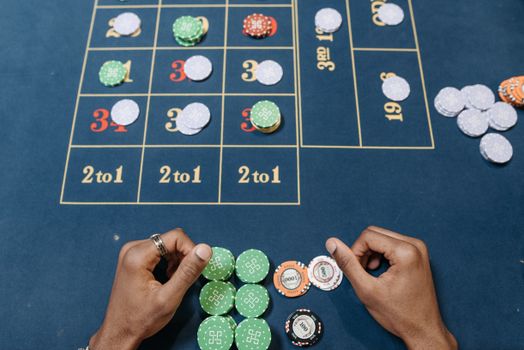
Online gambling has witnessed explosive growth in recent years, with the global online casino market valued at over $63 billion in 2022 and projected to surpass $100 billion by 2028. But behind every spin, bet, and click lies a fascinating interplay of psychology and game design. Why do players make the decisions they do? How do online casinos use psychological triggers to influence choices, keep players engaged, and sometimes push them towards riskier bets? This article delves deep into the impact of gaming psychology on player decision-making in online casinos—an area that shapes not only individual experiences, but also the industry’s broader trajectory.
The Psychology Behind Online Casino Game Design
Online casinos invest millions in researching player behavior and integrating psychological principles into their game designs. Every element—from the color palette to the sound effects—aims to tap into the human mind and subtly guide decision-making.
One of the most prominent psychological mechanisms is the use of $1. This principle, borrowed from behavioral psychology, means players are rewarded at unpredictable intervals. Slot machines are a classic example: a win could come after 3 spins or 30, creating a powerful compulsion to keep playing. According to a 2023 study published in the Journal of Gambling Studies, players subjected to variable rewards are 45% more likely to continue gambling compared to those with predictable win patterns.
.png)
Visuals and sound also play a huge role. Bright colors, celebratory animations, and triumphant music after wins—even small ones—trigger dopamine release, the brain’s “feel-good” chemical. This creates positive associations with the act of gambling, which can override rational decision-making and increase the likelihood of repeated play.
How Online Casinos Leverage Cognitive Biases
Human decision-making is riddled with cognitive biases, and online casinos are adept at leveraging these to their advantage. Here are some of the most common:
- $1: Players may believe that after a string of losses, a win is “due.” In reality, each spin or round is independent, but the illusion persists, leading to riskier bets. - $1: Features like “stop” buttons or interactive bonus rounds give players a sense of agency, even though outcomes are determined by random number generators. This perceived control encourages continued play. - $1: Players tend to feel losses more acutely than equivalent wins. To mitigate this, casinos introduce “near miss” scenarios—like two jackpot symbols landing just short of a third—stimulating the brain similarly to an actual win and motivating further attempts.A 2021 study by the University of British Columbia found that “near miss” outcomes increased the average session time by 28% among online slot players, highlighting how powerful these psychological nudges can be.
Decision Fatigue and Its Effects on Player Choices
Online casinos offer an overwhelming array of games, betting options, and side features. While choice can be empowering, it also leads to $1—the mental exhaustion resulting from making too many decisions in a short period.
Decision fatigue has a direct impact on player behavior. As mental energy wanes, players are more likely to:
- Opt for default choices or suggested bets, which often favor the house. - Increase bet sizes impulsively or chase losses. - Ignore limits or responsible gaming tools.A 2022 survey conducted by the UK Gambling Commission revealed that 38% of online casino users reported making riskier bets after extended gaming sessions, indicating that decision fatigue can significantly undermine self-control.
The Role of Social and Community Features
While traditional casinos thrive on atmosphere and social interaction, online casinos have started integrating social elements to replicate this dynamic. Features like live chat, multiplayer tournaments, and leaderboards tap into the human desire for social validation and competition.
Social influences can subtly shift player decision-making. For example:
- $1: Seeing others win big on a leaderboard can prompt riskier bets in hopes of catching up. - $1: Live feeds showing recent winners can create a “bandwagon” effect, suggesting that wins are common and attainable. - $1: Collaborative events or team-based competitions foster a sense of belonging, encouraging longer play sessions and more frequent participation.According to a 2020 report by Newzoo, online casinos with integrated social features saw a 32% increase in average session duration compared to those without, underscoring the power of social psychology in shaping player choices.
Comparing Psychological Triggers in Online vs. Land-Based Casinos
While both online and land-based casinos use psychological strategies to influence players, the digital environment offers unique tools and challenges. The table below compares key psychological triggers across both settings:
| Psychological Trigger | Online Casinos | Land-Based Casinos |
|---|---|---|
| Variable Rewards | Highly customizable; instant feedback with dynamic visuals and sounds | Physical machines; limited by hardware and space |
| Social Features | Live chat, leaderboards, multiplayer events, real-time win feeds | Face-to-face interaction, table games, casino ambiance |
| Accessibility | 24/7 access from any device; push notifications and bonuses delivered digitally | Limited by location and operating hours |
| Responsible Gaming Tools | Pop-up reminders, session limits, spend tracking, deposit caps | Physical signage, staff intervention, self-exclusion at venue |
| Personalization | AI-driven game suggestions, targeted promotions, adaptive interfaces | Limited personalization, primarily through loyalty programs |
This comparison highlights how the online environment amplifies certain psychological levers, while also presenting new opportunities (and risks) for both players and operators.
Responsible Gaming and the Ethics of Psychological Influence
With great power comes great responsibility. The same psychological techniques that keep players entertained can, if unchecked, contribute to problematic gambling behaviors. As awareness of gambling-related harm grows, online casinos are increasingly under pressure to prioritize responsible gaming.
Key responsible gaming measures include:
- $1: Timed reminders that alert players to session length or money spent. - $1: Options for players to block themselves from playing for a set period. - $1: Allowing players to set financial boundaries before they start gambling.Some jurisdictions, such as Sweden and the United Kingdom, legally require operators to provide these tools. In 2023, the UK Gambling Commission reported that over 1.2 million players utilized self-exclusion programs, a 34% increase from 2020.
The debate continues over whether casinos are doing enough. While many offer robust responsible gaming features, critics argue that the industry must proactively address the psychological strategies that can lead to excessive or harmful play.
Final Thoughts: Understanding the Impact of Gaming Psychology in Online Casinos
Gaming psychology is at the heart of every decision a player makes in an online casino—often in ways that are subtle, powerful, and not immediately apparent. From the thrill of unpredictable rewards to the persuasive pull of social features and the challenges of decision fatigue, the digital casino environment is expertly crafted to influence choices and drive engagement.
As online gambling continues to grow, understanding these psychological dynamics becomes ever more important—for players who want to make informed decisions, for regulators safeguarding public health, and for operators seeking to balance entertainment with ethical responsibilities. Recognizing the invisible hand of psychology is the first step toward smarter, safer, and more satisfying online casino experiences.