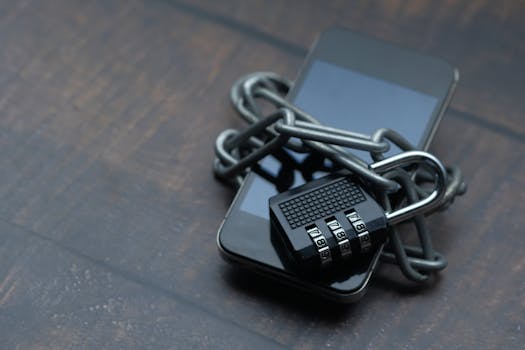
Online casinos have become a staple in the entertainment industry, drawing millions of users who engage in games ranging from slots to poker. While these platforms offer convenience and a variety of gaming options, they also require users to share sensitive personal and financial information. Ensuring the security of this data is crucial, not only to protect individuals but also to maintain the integrity of the online gambling industry.
Key Security Technologies in Online Casinos
Data Encryption: This is the first line of defense in protecting user information. Most online casinos implement SSL (Secure Sockets Layer) or TLS (Transport Layer Security) encryption. These technologies encrypt data during transmission, ensuring that sensitive information like credit card numbers and personal details are unreadable to anyone who might intercept the data.
.png)
Secure Payment Systems: Online casinos partner with trusted payment providers to ensure secure transactions. These payment systems use their own advanced encryption and security protocols to protect users’ financial details.
Random Number Generators (RNGs): To ensure fair play, reputable online casinos use RNGs to determine the outcomes of games. These systems are regularly audited by independent testing agencies to ensure they operate randomly and fairly.
Regulatory Oversight
Regulatory bodies play a pivotal role in online casino security. Casinos must obtain licenses from authorities like the UK Gambling Commission, the Malta Gaming Authority, or state-specific bodies in the US, such as the New Jersey Division of Gaming Enforcement. These organizations enforce strict standards regarding operational integrity, player protection, and fair play.
Potential Risks and Protective Measures
While online casinos take extensive security measures, risks such as phishing attacks, malware, and identity theft still exist. Players can take several steps to protect themselves:
- Verify the Casino's License: Engage only with casinos that are transparent about their licensing and regulatory compliance.
- Strong Passwords: Use complex passwords and change them periodically.
- Software Updates: Keep all software up to date, including antivirus programs and operating systems.
- Awareness of Phishing Scams: Exercise caution with emails and messages that ask for personal information or direct you to external websites.
Technological Advances Enhancing Security
Emerging technologies are continuously integrated into online casino platforms to enhance security:
- Two-Factor Authentication (2FA): Adds an extra layer of security by requiring a second form of verification.
- Blockchain Technology: Some platforms are starting to adopt blockchain for its benefits in transparency and reduced fraud risks. Transactions on a blockchain are decentralized and immutable, making them resistant to tampering.
Conclusion
The importance of security in online casinos cannot be overstated. With the sophisticated use of encryption technologies, compliance with stringent regulatory standards, and the adoption of cutting-edge solutions like blockchain, online casinos are more secure than ever. However, players must also be proactive in protecting their own information by choosing reputable casinos, using strong passwords, and being vigilant about potential online threats. By understanding and utilizing these security measures, players can enjoy a safer online gambling experience.